Kanjivaram or Banarasi? A Quick Guide
Share
Both get called "silk saree" in the same breath, and both get treated like interchangeable options at checkout. They're not. Here's the actual difference, in under two minutes. (Once you've picked one, our draping guide covers the rest.)
It Comes Down to the Weave
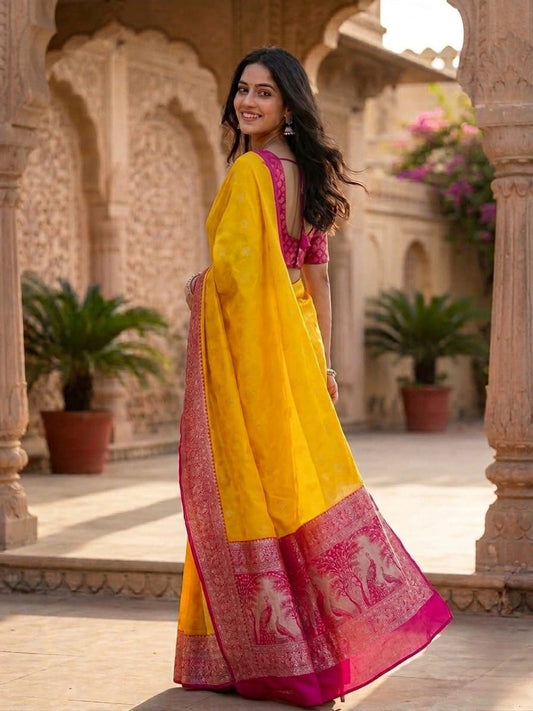
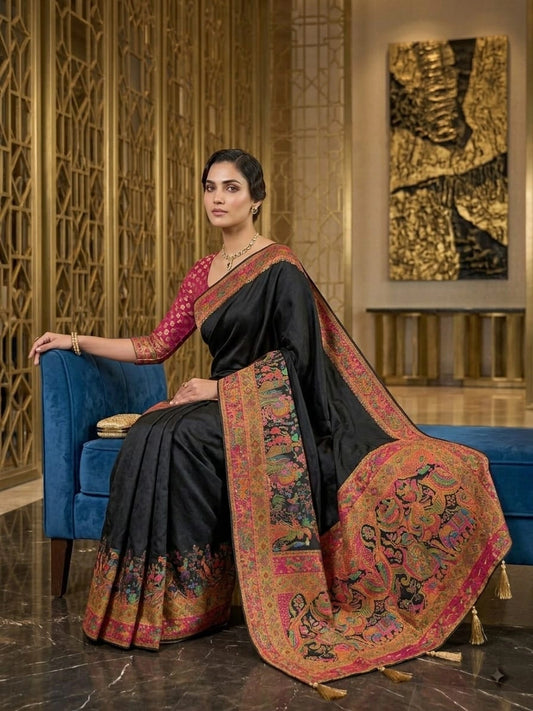
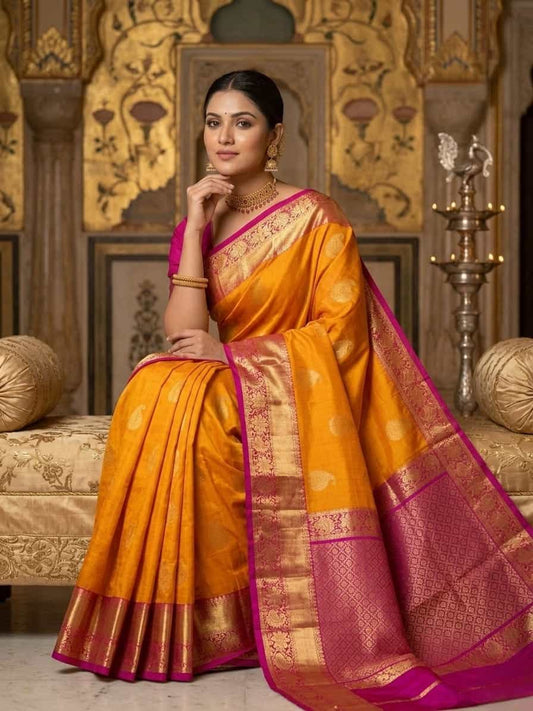
A Kanjivaram is woven in South India, in and around Kanchipuram, using thick mulberry silk and a technique called korvai — the body and border are woven separately, then interlocked together, which is why a real Kanjivaram border often feels like a slightly different weight from the body of the saree.
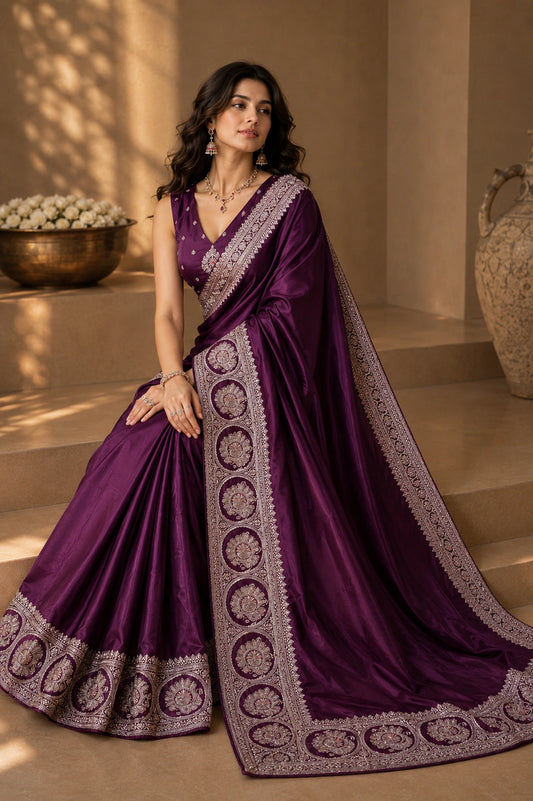
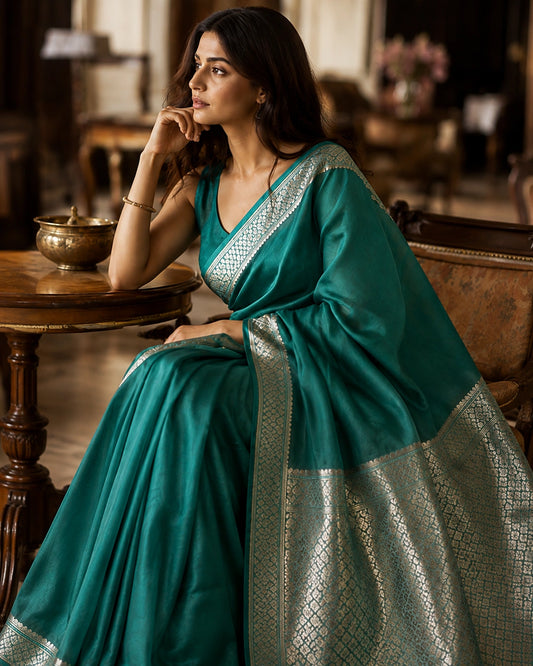
A Banarasi comes from Varanasi, woven on a different loom altogether, using finer silk brought together with intricate brocade work — the motifs are woven directly into the fabric as it's made, not added after.
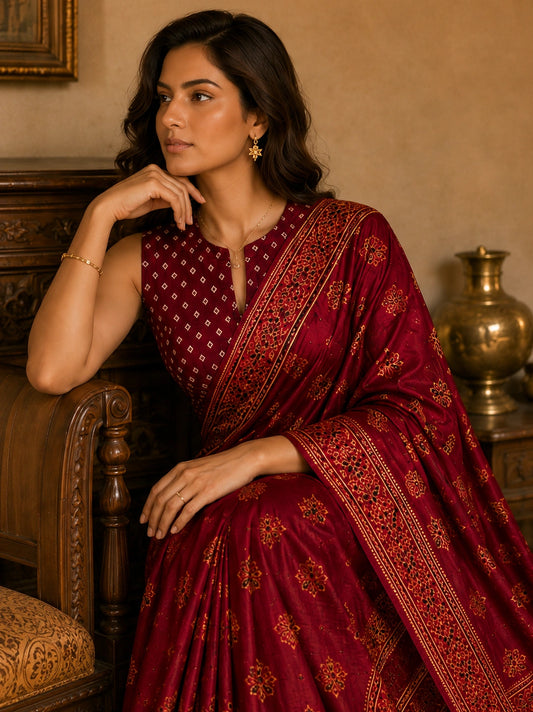
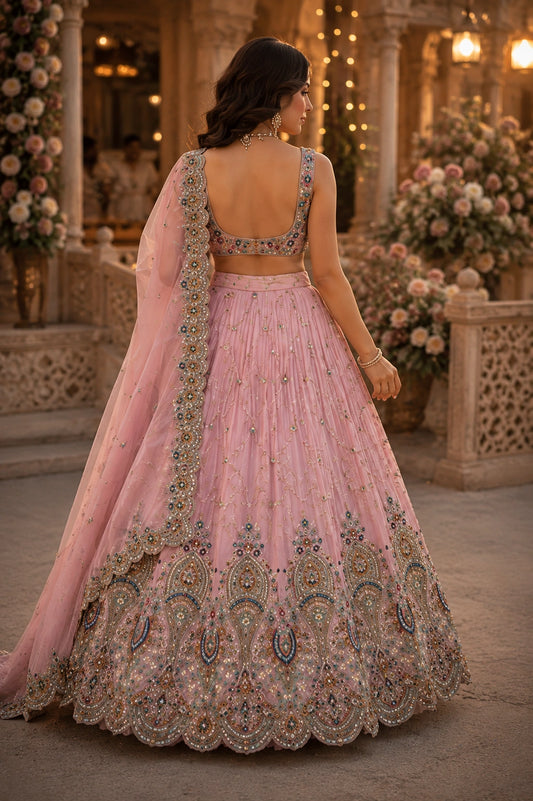
KanjivaramHeavier silk, bold contrast borders, holds its shape and shine for decades.
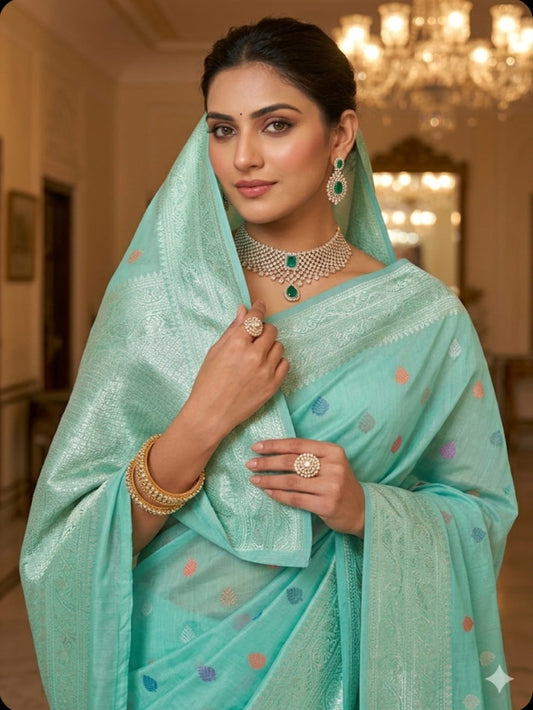
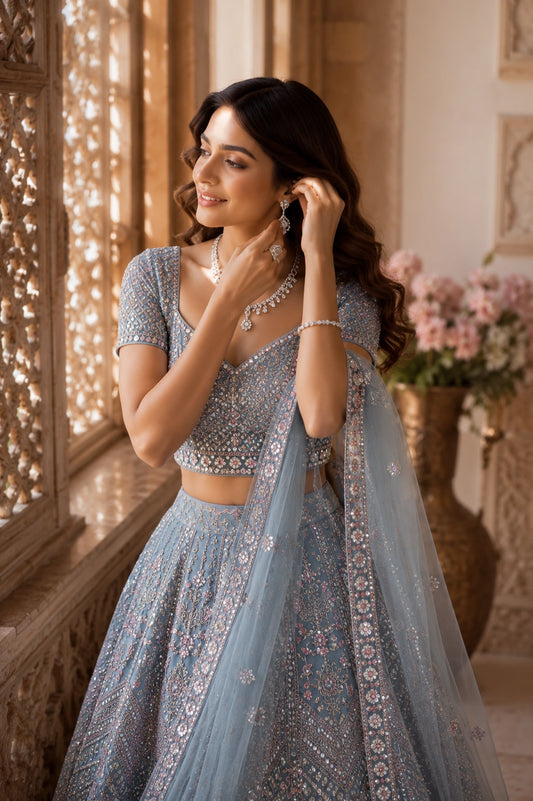
BanarasiFiner silk, intricate all-over brocade, drapes softer and closer to the body.
Kanjivaram: Built to Last, Not to Move
Kanjivaram silk is heavier and stiffer by design — it's meant to hold a pleat and catch light rather than flow. That's why it's the traditional choice for weddings and temple occasions across South India: it photographs beautifully standing still. The Silk Kanjivaram Saree with Swarovski Meena Work and the Pure Handloom Kanchipuram Silk Saree are both good examples of that classic weight and border contrast.
Banarasi: Built to Drape
Banarasi silk is lighter and softer, so it moves with you rather than holding a fixed shape — better suited to sangeet-style occasions where you're on your feet and want the fabric to flow. The Mayuri Tanchoi Banarasi Saree shows the fine, all-over brocade this weave is known for.
Which One Is Right for You
If you want a saree that stands its ground — strong border, real weight, an heirloom you'll pass down — go Kanjivaram. If you want something that moves easily through a long evening and feels lighter to wear, go Banarasi. Neither is the "better" silk; they're built for different moments.
Frequently Asked Questions
What's the main difference between Kanjivaram and Banarasi silk?
Kanjivaram is woven in Kanchipuram using heavier mulberry silk with a separately-woven, interlocked border. Banarasi is woven in Varanasi using finer silk with brocade motifs worked directly into the fabric. The weight, origin, and construction are all different.
Which is better for a wedding, Kanjivaram or Banarasi?
Both work — it depends on the occasion. Kanjivaram suits the main ceremony, where you're seated and want structure and shine. Banarasi suits events like sangeet, where you're moving and want the fabric to flow with you.
How can I tell if a Kanjivaram saree is real?
Check the border closely — on a genuine Kanjivaram, the border and body are woven separately and interlocked, so you can often feel a slight change in weight or texture where they meet. A printed imitation won't have that seam.
Is Banarasi silk lighter than Kanjivaram?
Yes, generally. Banarasi silk is finer and drapes closer to the body, while Kanjivaram silk is thicker and holds a more structured shape.